Whether you’re a marathon runner or just a fitness enthusiast who enjoys regular exercise, ice baths offer numerous benefits. In fact, research suggests that ice baths are beneficial for both physical and mental health! Although ice baths are extremely cold, their advantages and health benefits make them worth trying. However, to maximize these benefits, it’s important to understand when not to use ice baths, how cold the water should be, how long to stay in, and who benefits the most.
If most people adopt this as a regular therapy, a soaking time of about 10 minutes per session is typical. However, depending on how cold the water is, it’s advisable to start with around 1–5 minutes initially. While it may be uncomfortable—almost everyone wants to get out as soon as they step in—the general recommendation is to do it 2–4 times per week. We often see runners taking ice baths after long-distance runs because they want to speed up recovery. Similarly, NBA and other professional athletes use ice baths to regain peak performance as quickly as possible. In such cases, they aim to address issues rapidly to resume training sooner.

Are ice baths harmful? If you have certain health conditions, it’s best to avoid this recovery technique. This is especially true for individuals with type 1 or type 2 diabetes, hypertension, or any known cardiovascular diseases.
Benefits of Ice Baths
For centuries, runners have used ice baths to accelerate recovery after long runs and races. Recently, research has begun investigating the science behind this ancient therapy and whether ice baths truly provide the benefits runners claim.
Reduce Muscle Soreness
One of the most common reasons runners take ice baths is to reduce muscle soreness after intense workouts. Studies show that ice baths can effectively decrease muscle soreness and aid the healing process. When you immerse yourself in cold water, your blood vessels constrict. As you warm up, they dilate (expand) to increase oxygen flow. This mechanism is believed to help reduce swelling, alleviate muscle soreness, and enhance recovery by boosting muscle blood flow over time. Compared to other recovery methods, post-exercise cold water immersion (specifically for hamstring exercises) has been shown to reduce pain and improve athletes’ perceived recovery levels.Accelerate Recovery
After intense exercise, ice baths can also speed up the recovery process. Race days place significant stress on the body, making muscle recovery crucial for regaining strength and resuming training after a marathon. A review in Sports Medicine of studies on athletes using cold water immersion for recovery found that ice baths are more effective than other methods like hot baths or baths at room temperature. That said, it’s important to take the time to understand the benefits of contrast therapy and cryotherapy! Personally, I prefer using a hot Epsom salt bath to relax muscles, but combining it with a cold plunge can truly take recovery to the next level.
Boost Metabolism
Can ice baths burn fat? Yes, they can help by activating our brown fat stores, which in turn promotes weight loss. Research conducted by the College of Exercise and Health Sciences indicates that exposing the body to cold temperatures after exercise increases fat metabolism. This process, known as cold-induced thermogenesis, involves the body generating heat to combat the cold. Essentially, the body signals the activation of certain proteins to speed up metabolism. Why does the body ultimately accelerate its metabolism? When exposed to very cold water, your body must burn calories to restore your core temperature to a comfortable level. Burning these calories faster means a faster metabolism. However, if you’re doing this for weight loss, remember that a quick 10-minute soak cannot compare to an hour of long-distance running or 30 minutes of strength training, which builds muscle and boosts metabolism throughout the day.
Improve Stress Response
Have you heard of your vagus nerve? Stimulating this area is linked to enhancing your parasympathetic nervous system, which regulates digestion, focus, mood, and reduces stress levels. When the body seeks to return heat to the core in response to stress, it does so by triggering the vagus nerve in the brain. When this happens, the sympathetic nervous system takes a back seat. This system is responsible for the “fight or flight” response, increased heart rate, and all the typical “I’m freaking out” signals the brain receives. By dampening this response, ice baths increase tolerance to stressors both inside and outside the water.Enhance Mental Resilience
In addition to physical benefits, ice baths have been shown to strengthen mental fortitude. Immersing yourself in cold water requires mental toughness. Not many people willingly expose themselves to icy water, and once you’re in, the urge to leave is strong. If you can push yourself to stay in for the required time, you gain significant control over a situation that ultimately works in your favor—even if you hate it in the moment.Elevate Mood
Ice baths can boost your mood and reduce feelings of anxiety. By increasing dopamine levels—a hormone associated with the brain’s reward system—ice baths can make you feel happier and more content. Pair this with endorphins, the natural “feel-good” chemicals produced during running, and you might find yourself really loving your workout. Dopamine levels also see a slight increase when exposed to cold water.Increase Focus
Researchers have concluded that exposure to cold water also raises noradrenaline levels. Noradrenaline and adrenaline are hormones that increase blood flow and heart rate, while also boosting alertness and concentration. Thus, when you expose yourself to icy water in a bath, you can trigger the release of hormones that enhance your focus and attention.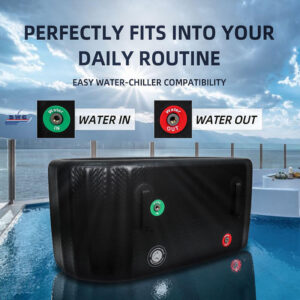
Help Alleviate Depression
We’ve already mentioned that cold water immersion or ice baths might make you happier. But what if you’re already feeling depressed? Cold water therapy can be relatively effective in alleviating depressive symptoms. “Due to the high density of cold receptors in the skin, cold showers are expected to send a significant number of electrical impulses from peripheral nerve endings to the brain, which may produce an antidepressant effect.”Strengthen the Immune System
A clinical trial in the Netherlands found that cold showers led to a 29% reduction in sick leave. It also showed that white blood cells, which fight infections, circulate more when exposed to cold. This appears to be linked to many of the aforementioned benefits, such as improved metabolism, increased blood flow, and vagus nerve stimulation.
So, if you’re looking for a way to reduce muscle soreness, speed up recovery, and improve mental well-being, ice baths might be an excellent choice!
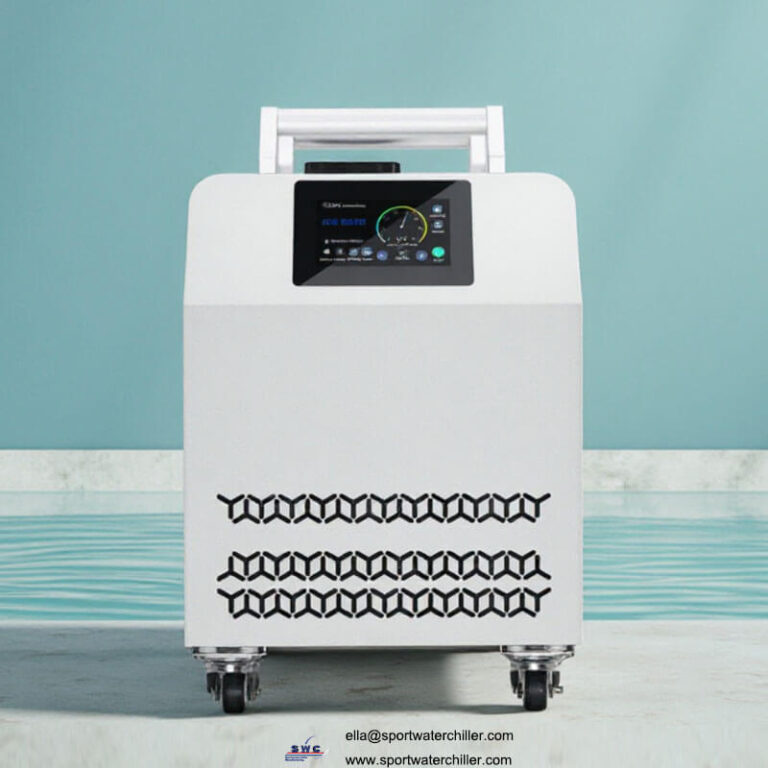
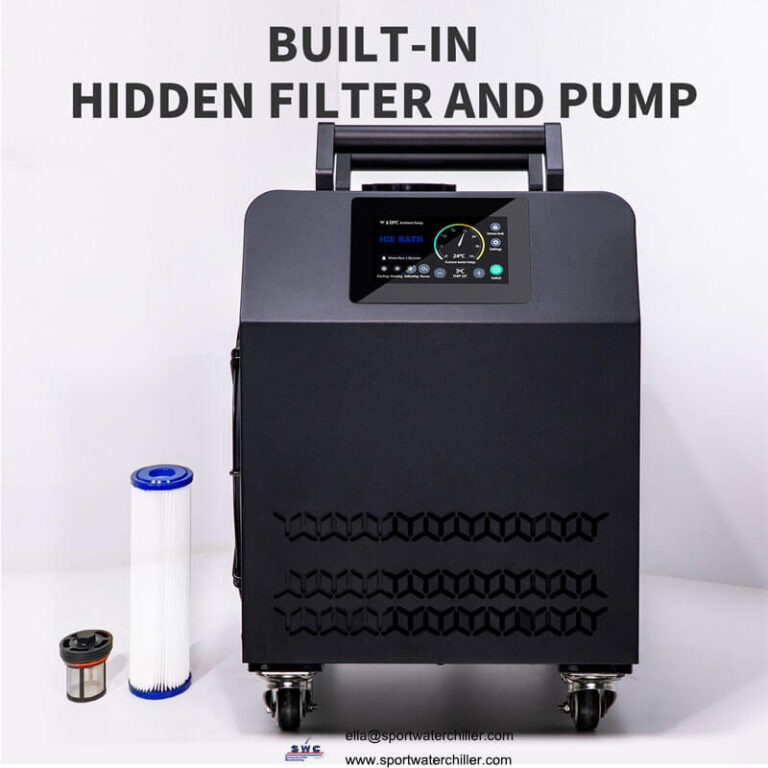
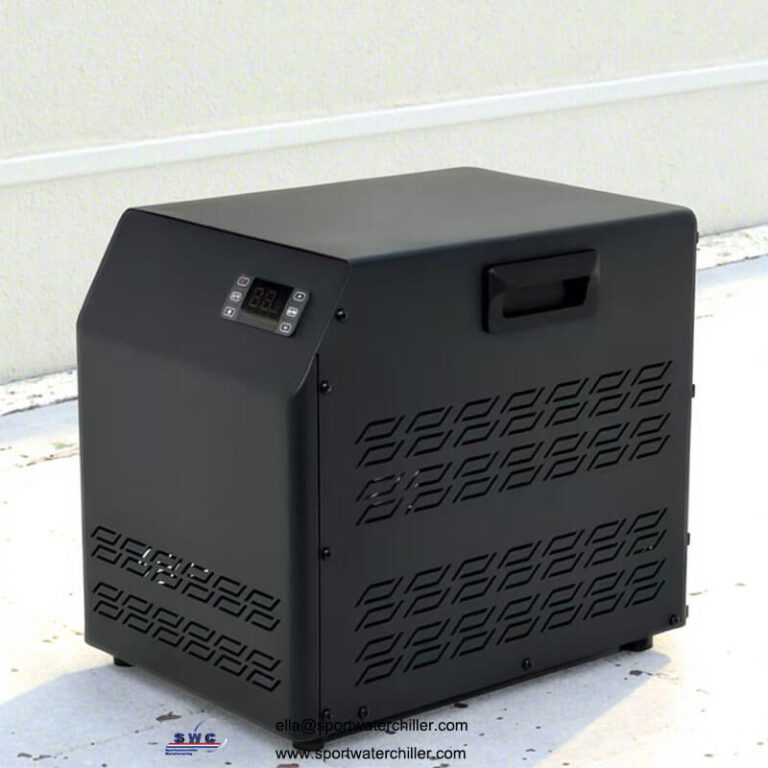
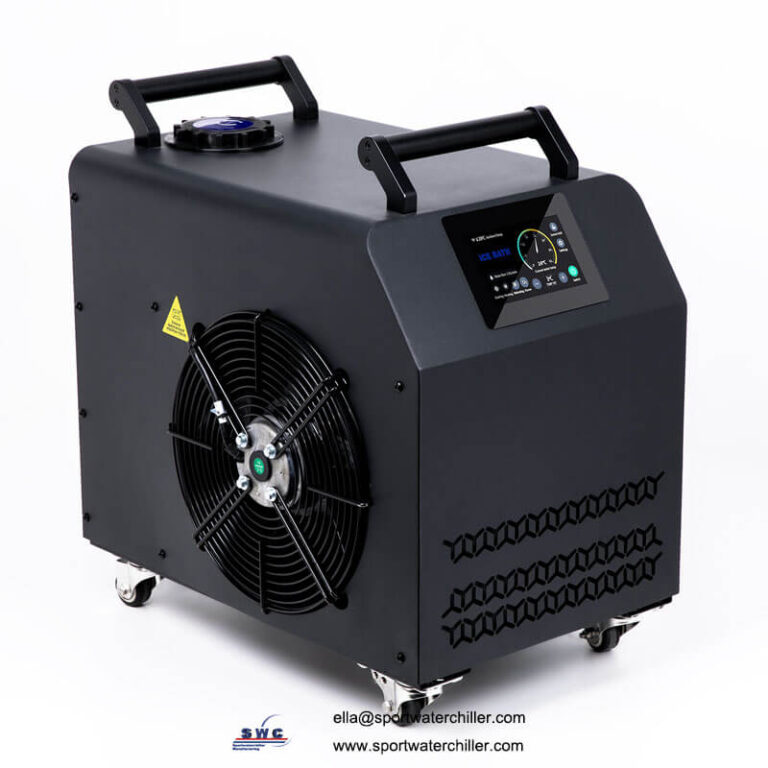
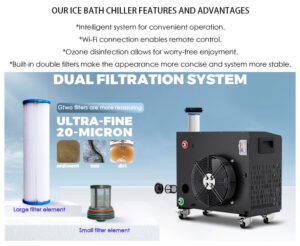
Use the best ice bath water chiller with your home bucket bathtub for ice bath for sore muscles now.
The
Ice bath chiller 2.0HP (water chiller for bathtub) do home ice bath, and also have 1 hp water chiller, 1/2 hp water chiller, 1 3 hp water chiller. Pls inquiry us: ella@sportwaterchiller.com