You probably already know that recovery is crucial for runners. Optimal nutrition, stretching, and gentle movement can aid the body’s recovery, but can cryotherapy, especially ice baths, also help? What exactly are the benefits of ice baths for sore muscles? Today, we uncover the science and benefits behind ice baths for you.

Benefits of Ice Baths for Runners:
Improves Blood Flow: Cryotherapy helps reduce swelling and tissue breakdown by constricting blood vessels and lowering metabolic activity. Dr. Robert Gillanders, DPT, an expert from the American Physical Therapy Association, explains that once the skin is removed from the cold water, the body works to restore blood flow rapidly, helping to flush out the byproducts of cellular breakdown from the body, thereby promoting recovery.

Reduces Inflammation and Pain: For inflammation caused by overtraining or injury, ice baths are an effective recovery tool. Several studies suggest that ice baths are more effective than other recovery methods (such as compression and massage) in reducing inflammation and muscle soreness. A 2018 systematic review published in Frontiers in Physiology found that cold application is one of the best ways to decrease inflammation.
Helps Recover Faster: Although the effectiveness of ice baths for recovery remains scientifically debated, they can indeed provide certain restorative benefits for athletes. Ice baths help alleviate fatigue, speed up physical recovery, and prepare you for your next workout. Especially between multiple competitions, cold water immersion can be more beneficial for recovery than rest alone.
02 Potential Drawbacks of Ice Baths:
While ice baths benefit some athletes, not all research indicates they are a cure-all. A minority of study results suggest that ice baths might impact muscle recovery after resistance training, potentially inhibiting muscle growth and strength gains, particularly when focusing on strength training.
For example: A 2019 study found that ice baths might interfere with the generation of new proteins after resistance training, especially during strength training periods.
Additionally: If you find ice baths uncomfortable or stressful, some research also shows that moderate rest can be just as effective, particularly after shorter runs.
03 When and How to Use Ice Baths?
For maximum recovery benefits, cold water immersion is generally more effective than ice packs alone, especially for deep muscle and large muscle group recovery. Gillanders recommends keeping the water temperature between 50 and 60 degrees Fahrenheit (10-15.5°C), avoiding excessively cold water to prevent skin damage. Limit each immersion session to 10-15 minutes, as longer durations could harm the skin.

04 Usage Tips:
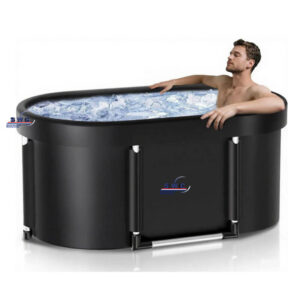
Fill the tub with water and add 2-3 bags of crushed ice, ensuring the water level is just high enough to submerge your legs. Before getting in, put on a warm jacket, have a cup of hot tea, and gather some light reading material to help you relax and pass the time.
05 Conclusion: The Best Time for Ice Baths
Ice baths are most suitable after high-intensity training sessions, especially following tempo runs, long runs, or interval workouts. To achieve optimal recovery, you should combine ice baths with other recovery methods such as hydration, healthy nutrition, and stretching. Whether to try ice baths ultimately depends on how you feel about this method. If you’re willing to give it a try, remember to adjust based on your body’s response and avoid over-reliance. There is no one-size-fits-all shortcut on the road to recovery—finding what works best for you is key!
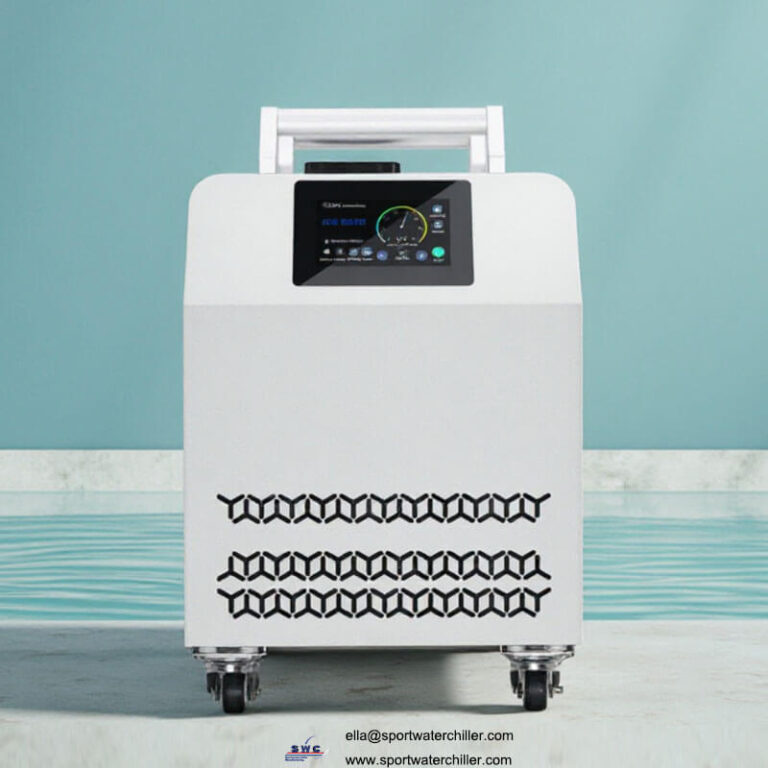
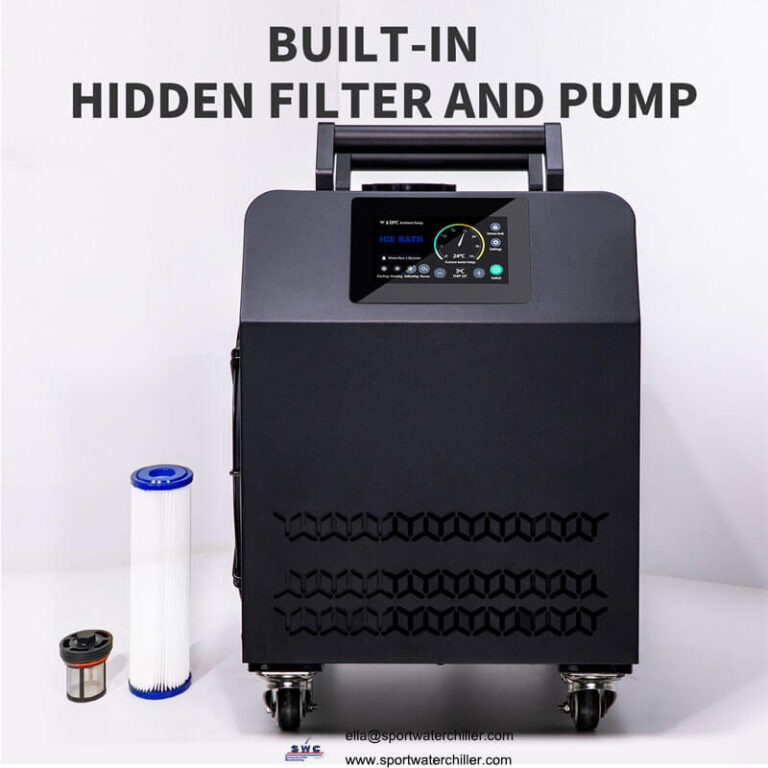
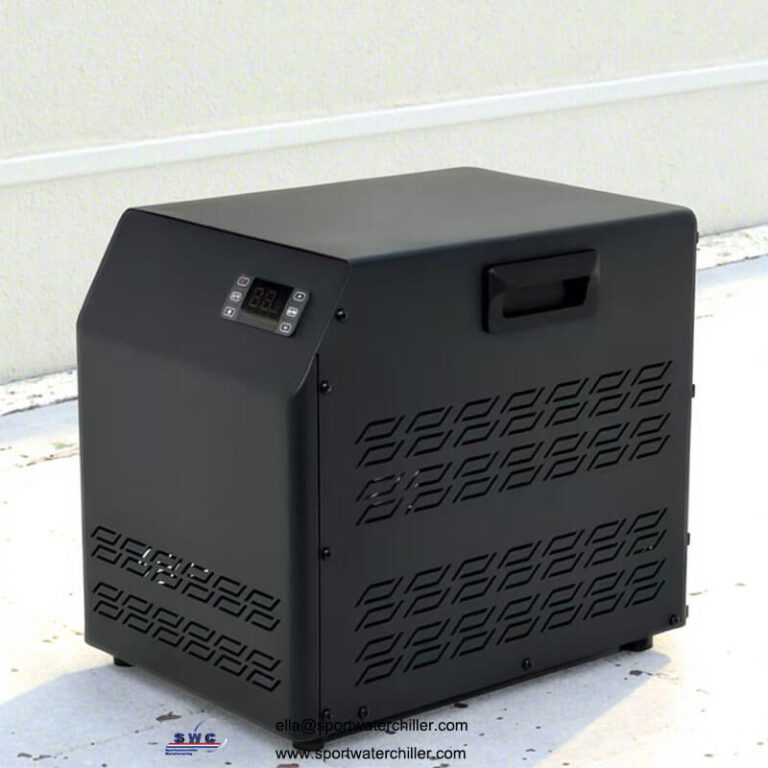
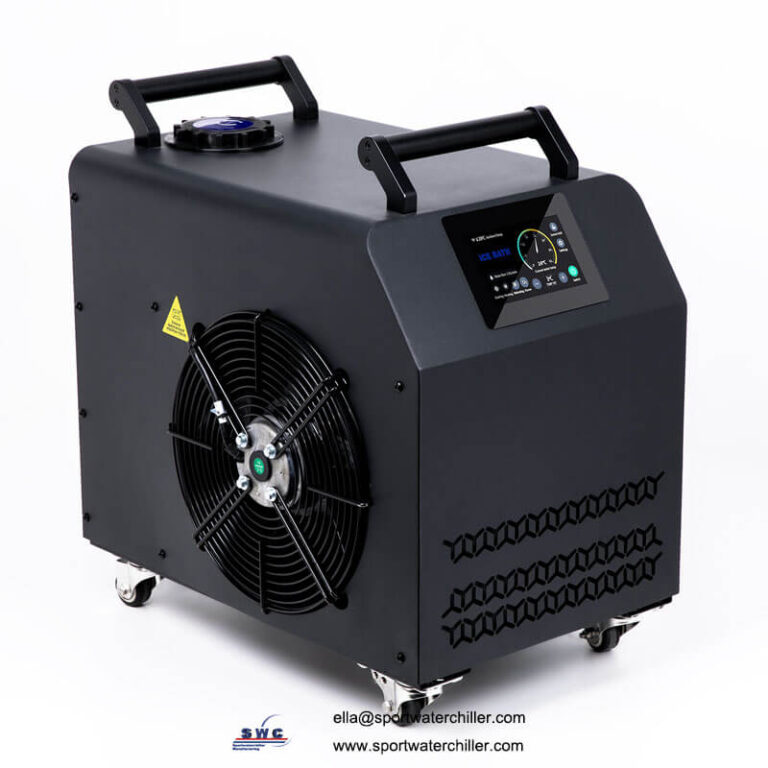
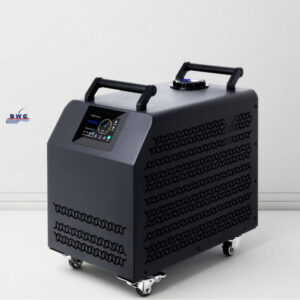
Check ice bath water chiller list and inquiry us.
best ice bath water chiller, plastic ice bath tub, infrared sauna tent.