Yakutsk, the capital of Russia’s Sakha Republic, endures average winter temperatures as low as -40°C to -50°C, with extreme lows plunging below -60°C. The “-50°C Ice Bath” here is not merely an extreme adventure; it’s a unique experience that blends local climate adaptation, folk traditions, and modern health concepts. It offers both a visual spectacle and embodies survival wisdom in the extreme cold.
Yakutsk, located near the Arctic Circle and known as the “Ice City,” boasts one of the coldest inhabited environments on Earth. On the 27th local time, a local teacher named Galina Davydova demonstrated the extreme cold: freshly washed clothes instantly turned into ice sculptures. The teacher posed for a photo with the frozen garments in the snow, creating a spectacular scene.
It is reported that the clothes were washed in an indoor washing machine. When taken outside afterward, they freeze solid within mere seconds. Residents venturing outdoors are bundled up tightly, their eyelashes and beards often frosting over.
The outdoors serves as a natural deep freezer. Fish that poke their heads out of the water immediately freeze. Fish sold by vendors all share the same frozen shape and “expression.” Reportedly, famous for its cold, the area has become a tourist and adventure destination, attracting large numbers of visitors and explorers annually. Locals treat guests with Russian national spirits, and lollipops made from frozen hard liquor are a local specialty.
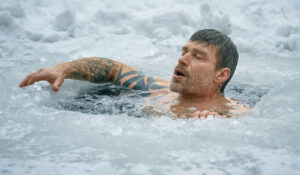
Furthermore, for local residents, this year is considered a mild winter. However, regardless of the cold, many locals are avid ice bath enthusiasts, claiming that ice bathing is crucial for health. Many elderly people bathe in icy pools, appearing remarkably composed.
According to The Siberian Times, after temperatures plummeted to minus 45 degrees Celsius, local elementary schools and kindergartens were closed, though middle school classes continued. Despite the deep freeze, residents complain that global warming is affecting their winters, making this one too warm.

Roots in Folk Tradition: The indigenous people of Yakutsk (the Yakuts) have long lived in this extreme cold. The combination of ice baths and saunas originated as a means of climate adaptation. This “hot-cold alternation” enhances the body’s tolerance to low temperatures, while the steam cleanses the skin and promotes blood circulation, serving as an important “health ritual” in permafrost life. Today, this tradition has become a local cultural symbol and a way for the Yakuts to demonstrate their courage in “coexisting with the extreme cold.”
Modern Health Perspective: From a scientific viewpoint, short-term ice baths can stimulate vasoconstriction and vasodilation, promoting blood circulation. The low temperature can suppress inflammatory responses and alleviate muscle soreness, while also activating the body’s stress response and boosting immunity (this must be done within safe limits, as excessive challenge can lead to frostbite or shock). However, its core value lies in being a “controlled extreme experience,” rather than claiming direct medical efficacy.
The -50°C ice bath in Yakutsk is not a “meaningless adventure.” It is an extreme experience with traditional roots and scientific grounding. It showcases the unique charm of frigid regions and allows participants, under safe conditions, to experience the joy of “challenging oneself.
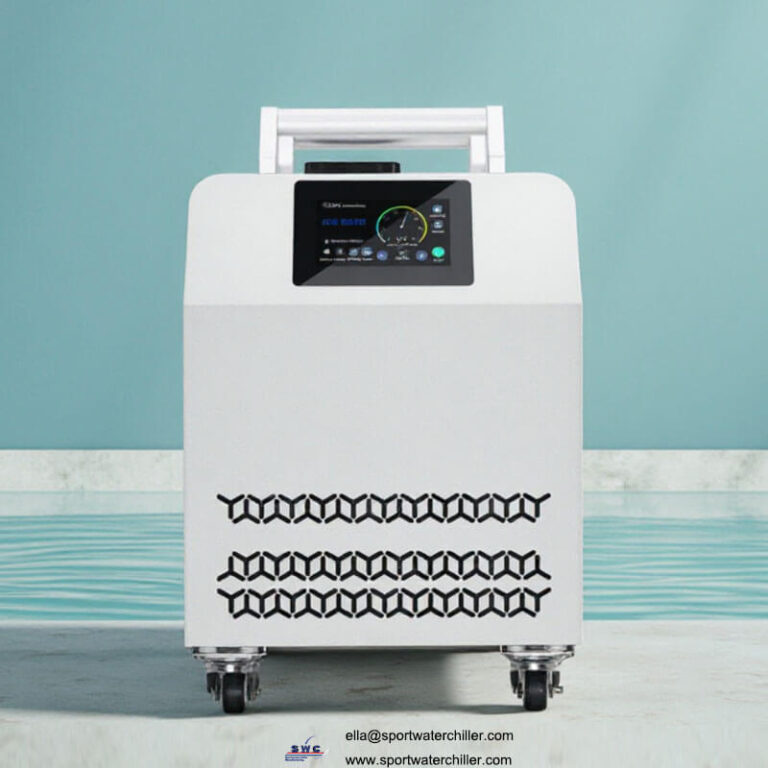
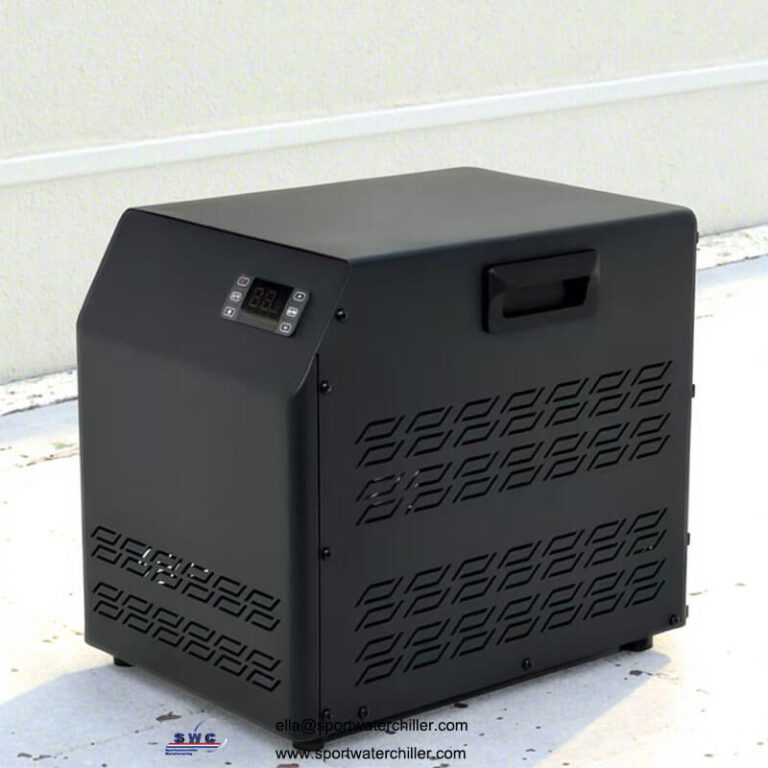
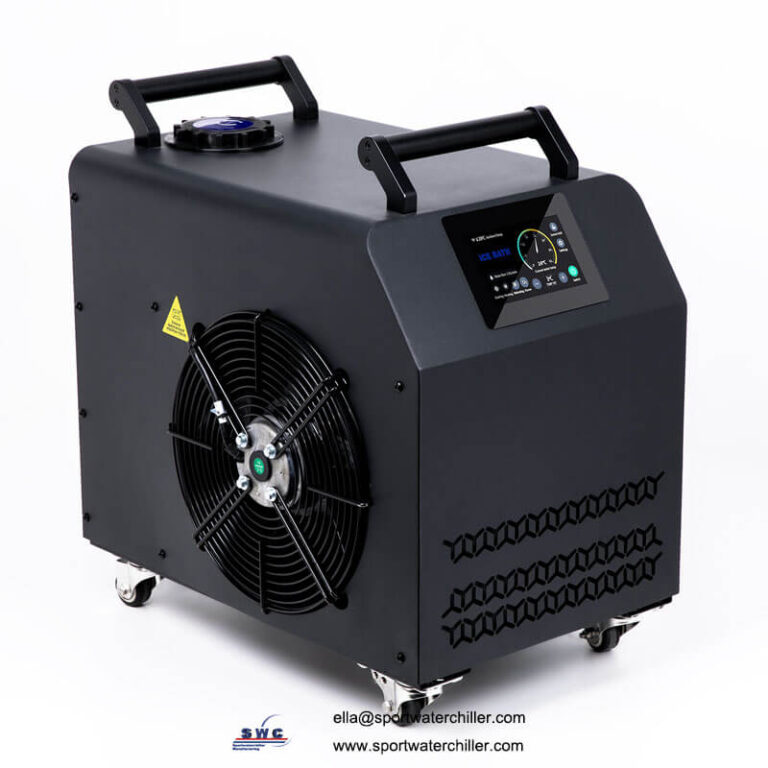
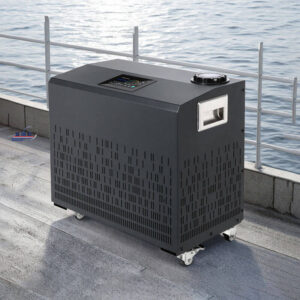
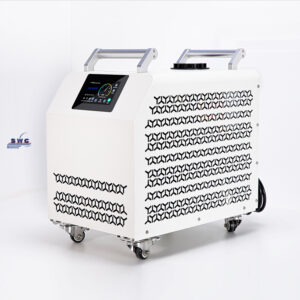
Inquiry ice bath water chiller, ice bath tub now.