
The “Coolest Fitness Class” in Dubai: Gimmick or Science?

A striking new fitness experience has recently emerged in Dubai, UAE—the GymNation fitness chain has launched a class touted as “The Coolest Class in Dubai.” This move stems from the extreme local summer heat: outdoor temperatures often soar to 43°C with humidity exceeding 70%, making traditional outdoor exercise nearly impossible. To help people maintain their fitness routines during the scorching summer, this class uniquely relocates the training environment to a “low-temperature setting.” Specifically, it’s a hybrid session combining High-Intensity Interval Training (HIIT) with cold elements, featuring various icy challenges: for instance, participants sprint in front of giant fans against a “Blizzard,” perform squats wearing weighted vests with built-in ice packs (Frosted Reps), push sleds loaded with ice (Polar Push), and include lifting heavy objects like ice-filled buckets (Glacier Grip). Throughout the session, cool breezes and ice are ever-present, culminating in a “Chill Zone Recovery” with an ice bath to help cool the body and reduce inflammation. For safety and comfort, GymNation thoughtfully provides participants with insulated gloves, warm headwear, and chilled towels to prevent discomfort from direct skin exposure to the cold during the workout.
Is such a specialized cold fitness environment merely an eye-catching marketing gimmick, or an innovative practice grounded in exercise science? Let’s explore this from the perspectives of exercise physiology and industry trends.
The Principles and Benefits of Exercising in Cold Environments
From a physiological standpoint, exercising in a cold environment does elicit different bodily responses and potential benefits compared to working out in normal temperatures.
Firstly, maintaining core body temperature itself requires additional energy expenditure. When exposed to cold, the body activates heat production mechanisms to combat the chill, meaning that during exercise, it must also “work part-time” to generate heat and maintain stable body temperature. This extra load forces the cardiorespiratory system, including the heart and lungs, to work harder—research indicates that compared to warm environments, cardiac output and oxygen utilization increase during exercise in the cold, with blood oxygen delivery potentially rising by 5% to 11%, thereby enhancing endurance performance. In other words, cold environment training can compel an improvement in cardiorespiratory function, aiding in the development of aerobic capacity.
Secondly, cold exposure activates the body’s brown adipose tissue (BAT). Known as the body’s “fat-burning furnace,” BAT accelerates the burning of fat and sugar to produce heat when stimulated by cold. It’s estimated that if fully activated, the small amount of BAT in an average adult could burn an additional 300 calories per day. Therefore, exercising at the same intensity in a cold environment may burn more calories than in a warm one, an enticing prospect for those looking to lose fat.
Dr. Nadya Swedan, a New York-based sports medicine expert, points out: “Exercising in a cold environment can burn a few more calories because the body is not only exercising but also working hard to raise its core temperature, consuming energy on both fronts simultaneously.” She emphasizes that as long as one stays hydrated and avoids excessive cooling (preventing hypothermia), exercising in a cool gym is no more dangerous than in a normal-temperature one. On the contrary, as long as it’s not excessively cold, working out in cooler conditions benefits both body and mind—”research shows the heart and lungs also have to work harder in cold environments.” Many firsthand participants also report that exercising at lower temperatures allows for greater focus, more intense effort, and longer durations without feeling overly fatigued, as they are less prone to overheating, often resulting in a better workout experience.
Furthermore, developing mental resilience is a significant gain from cold-weather exercise. The discomfort brought by cold requires willpower to overcome, and long-term adaptation can increase a trainee’s tolerance to pain and fatigue. Some exercise scientists note that athletes accustomed to training in cold environments can see their pain tolerance threshold increase by up to 17%, with a noticeable reduction in Ratings of Perceived Exertion (RPE). This means cold environment training not only strengthens muscles but also tempers willpower and focus. The ice and snow challenges favored by some extreme sports enthusiasts (like winter swimming, long-distance snow running) leverage precisely this “mental forging” effect.
Of course, moderation and safety measures must be emphasized. Colder is not always better; excessive cold can be dangerous. Expert consensus reports from the American College of Sports Medicine (ACSM) caution that risks increase sharply when exercising in extreme cold: for instance, injury risk is about 2.5 times higher in environments below -15°C compared to normal temperatures; in cold conditions, over 40% of exercise-related injuries are associated with too rapid a drop in core temperature, with common issues including muscle strains and joint stiffness. Cold can also trigger asthma or respiratory discomfort.
Therefore, exercising in cold environments requires adequate warm-up and protection: wear appropriate thermal layers (like functional athletic wear, windproof gear) before starting to ensure muscles don’t become stiff; pay attention to bodily sensations during exercise, adding insulation promptly if numbness or excessive coldness occurs in the limbs; change out of damp, cold clothes as soon as possible after finishing, allowing the body to return to normal temperature gradually. GymNation’s provision of gloves and hats addresses these very concerns. As long as temperature is reasonably controlled, cold protection matches exercise intensity, and the environment is relatively cool (not extremely frigid), such workouts are safe and beneficial. For the vast majority of average fitness enthusiasts, exercising in an air-conditioned room or an environment slightly below room temperature is not only harmless but may actually feel more comfortable and efficient due to reduced risk of overheating.
Post-Exercise Cryotherapy Recovery: Ice Baths and Cold Therapy
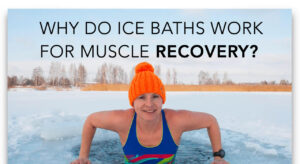
Having discussed the cold stimulus during training, let’s now examine the principles and effects of using cold for recovery after exercise. This has long been a common practice in athletic circles, popular among professional athletes and fitness enthusiasts alike. The ice bath is the most typical method: immersing the body (usually the lower half) in near-freezing cold water for several minutes after intense exertion.
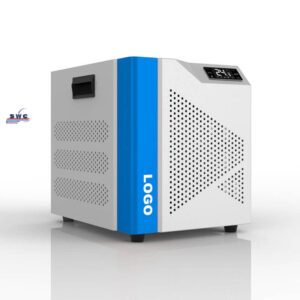
The underlying principle can be understood as follows: the cold stimulus causes vasoconstriction, temporarily reducing blood flow, congestion, and swelling at the sites of micro-damage in muscles caused by exercise, and also slowing tissue metabolic activity. Simply put, an ice bath acts to “cool and reduce swelling” for muscles and joints, decreasing inflammatory response and tissue breakdown. Simultaneously, the cold helps flush metabolic waste products like lactic acid away from muscle tissue, alleviating post-exercise soreness. Upon exiting the ice water and rewarming, blood vessels dilate, circulation enhances, and fresh, oxygen-rich blood quickly flows through the muscles, helping to remove metabolites, deliver nutrients, and relax tight tissues.
This alternating hot-cold process is believed to aid in accelerating recovery: studies indicate that cold water immersion can reduce the degree of exercise-induced muscle damage, decrease inflammation and delayed onset muscle soreness, thereby allowing athletes to recover better physically for the next day’s performance. Many marathon runners, NBA/NFL players, and other professional athletes take ice baths immediately after games precisely to quickly alleviate fatigue and restore their condition.
Beyond the physiological effects of reducing inflammation and pain, cold recovery offers other potential benefits. Many enthusiasts report that while the plunge into ice water is instantly bone-chilling, the hours afterward bring an exceptionally clear and invigorated feeling both physically and mentally. This is not an illusion: cold exposure has been found to activate the sympathetic nervous system, releasing hormones like noradrenaline, which not only increase alertness but also help stabilize mood and alleviate low spirits. Some research is even exploring the role of cold water therapy in boosting immune function and relieving depressive symptoms. It’s no wonder that in recent years, from Europe and America to East Asia, a trend akin to the “Ice Bucket Challenge” has emerged in daily cold shower routines, pursued not just for charity but also as a lifestyle choice for forging mind and body and promoting health.
It should be noted that scientific research on ice baths and extreme cold chambers (whole-body cryotherapy, involving standing in environments below -100°C for 2-3 minutes) is ongoing, with some results suggesting a nuanced view. On the positive side, short-term cryotherapy indeed reduces muscle soreness and allows a quicker return to exercise capacity. For athletic populations requiring high-frequency training (e.g., sports teams with dense schedules), this means being able to engage in the next round of training or competition sooner, unimpeded by soreness from the previous session.
On the downside, overly frequent use of cryotherapy after strength training may diminish muscle-building effects. For example, studies published in The Journal of Physiology and The Journal of Strength and Conditioning Research found that subjects who regularly used ice baths after strength training showed smaller gains in muscle mass and strength compared to non-ice bath groups. Scientists speculate this is because cryotherapy reduces muscle inflammation and blood flow—signals that normally stimulate muscular adaptation and growth—partially “washing away” these signals with ice baths.
Fortunately, for endurance sports (like running, cycling training), cryotherapy has not shown similar negative effects. Therefore, professional coaches typically recommend: if your goal is muscle building, use post-exercise cold recovery methods like ice baths cautiously or sparingly; but if you are in a period of frequent competitions needing rapid physical recovery, or primarily focused on endurance and fatigue resistance, then cryotherapy remains a very valuable tool.
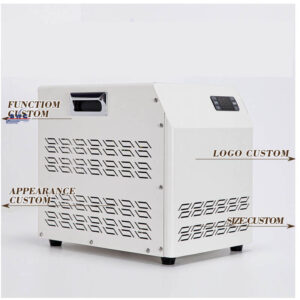
Overall, when applied correctly (e.g., controlling ice water temperature around 10°C, immersion time generally not exceeding 10 minutes), post-exercise cold water recovery offers more benefits than drawbacks for the vast majority of people. The post-class ice bath “Chill Zone” introduced by the Dubai fitness class aligns with this scientific rationale: cooling the heated body to reduce exercise-induced damage and help accelerate recovery.
Commercial Products and Global Market Trends
Whether it’s cold environment training or cryotherapy recovery, this wave of “cold fitness” is reshaping the fitness industry landscape, spawning a series of new products and business opportunities:
Fitness Venues and Equipment: More and more gyms and studios are beginning to experiment with the concept of controlled-temperature training. From New York’s Brrrn studio maintaining a constant classroom temperature of 10°C-15°C, to Dubai’s GymNation with its ice-enhanced classes, fitness venues in different regions are exploring the impact of “temperature variables” on the workout experience. This creates opportunities for fitness equipment manufacturers—developing specialized machines and facilities suited for low-temperature environments. Examples include treadmills that simulate resistance while delivering cool air, high-power fans, stationary bikes with built-in cooling modules, and even entire smart gyms with adjustable temperature and humidity. Simultaneously, basic equipment is being infused with “cold elements”: weighted vests with internal ice packs, training tents equipped with cooling devices, etc. These creative gears meet special training needs while becoming new selling points to attract customers. It is foreseeable that the fitness equipment sector will see more products integrating temperature-control technologies in the future.

Sportswear and Protective Gear: Exercising in low-temperature environments presents new demands for apparel and accessories. On one hand, warmth is needed to prevent frostbite; on the other, items cannot be too bulky to hinder performance. Therefore, sportswear brands are investing in R&D for smart temperature-regulating athletic wear and accessories. For example, some manufacturers have already launched layered systems suitable for winter running: a moisture-wicking base layer + an insulating mid-layer + a windproof outer layer, adjustable as needed. For indoor cold-training classes, items like the cold-resistant gloves, warm headwear, and chilled towels provided to participants in the Dubai class also represent popular products in niche markets. We may see more such protective gear specifically designed for cold environments (e.g., anti-slip insulated training shoes, anti-frostbite skin patches) entering the market. Notably, some high-tech materials (like Phase Change Materials, PCM) can absorb heat when warm and release it when cold; used in sportswear, they could help athletes maintain suitable skin temperature during hot-cold transitions, holding significant potential for future applications.

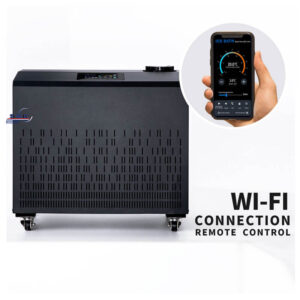
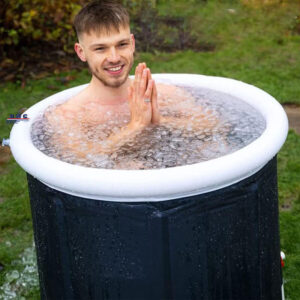
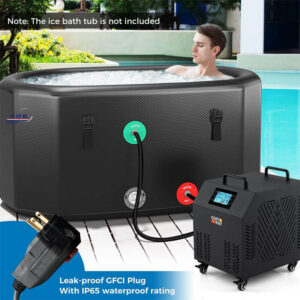
Health and Recovery Services: The popularity of cryotherapy has also spurred a booming commercial cold therapy industry. Currently, many urban fitness centers and high-end spas have added ice bath pools or whole-body cryochambers, offering members various cryotherapy programs marketed for post-exercise recovery, skincare, and even weight loss/body shaping. Statistics show that the global broad cryotherapy market size approached $9.7 billion in 2024 and is projected to grow to nearly $20 billion by 2034, with a compound annual growth rate exceeding 7%. This figure encompasses areas like medical cryotherapy and sports recovery cryotherapy, reflecting rapidly rising demand for cold technologies. Among these, cryochamber equipment for sports and wellness is growing particularly rapidly, seen as a new standard for high-end gyms and sports teams. Additionally, consumer-grade products like home ice buckets and adjustable-temperature cold plunge tubs are gaining market traction—from the social media viral “Ice Bucket Challenge” to various influencers sharing home ice bath experiences, public interest in such products is being amplified. It can be said that from professional athletes to general fitness enthusiasts, “getting stronger through cold” is becoming part of the wellness trend.

From a geographical trend perspective, cold fitness and cryotherapy recovery are blossoming globally: in hot-climate regions like the Middle East, pioneers like Dubai are turning the disadvantage of extreme heat into a selling point for indoor “cool fitness”; in temperate North America and Europe, some fitness institutions have begun offering winter outdoor training camps or indoor cold environment classes, encouraging people to embrace the benefits of winter exercise;
Inquiry ice bath water chiller now.


