
Scientific Validation and Controversy of Ice Baths: A Comprehensive Analysis of Health Benefits and Potential Risks
In recent years, ice baths (cold water immersion) have gained global popularity due to claimed benefits such as accelerated recovery, anti-inflammatory effects, and enhanced mental resilience. However, evidence from scientific research and practical application reveals significant controversy regarding its effectiveness, along with potential risks. The following analysis examines the health impacts of ice baths from multiple dimensions, based on the latest research and long-term observations:
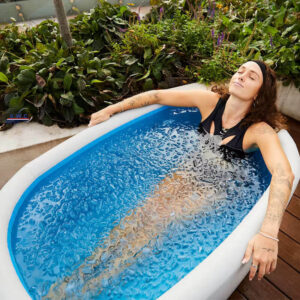
I. Short-Term Benefits of Ice Baths: Evidence and Mechanisms
Relief of Post-Exercise Muscle Soreness
Multiple studies indicate that ice baths immediately after exercise (water temperature 10–15°C, duration 3–10 minutes) can reduce muscle swelling and delayed onset muscle soreness (DOMS). This may be related to the suppression of inflammatory factor release and accelerated clearance of metabolic waste products by low temperatures.
For example, athletes using ice baths after high-intensity training can return to subsequent training sessions more quickly in the short term.Short-Term Stress and Mood Regulation
Cold water immersion triggers a “cold shock response,” prompting the secretion of adrenaline and noradrenaline, which can enhance alertness and improve mood in the short term.
A study involving 3,000 people found that the group taking cold showers had a 29% lower rate of work absenteeism compared to the control group, possibly related to psychological adaptation following stress.Potential Short-Term Regulation of Metabolism and Immunity
Short-term exposure to cold environments can activate brown adipose tissue (BAT), promoting heat production and improving insulin sensitivity.
Additionally, ice baths may enhance acute immunity by stimulating white blood cell circulation, though long-term effects remain unclear.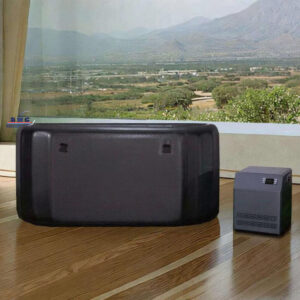
II. Controversies and Long-Term Risks of Ice Baths
Inhibition of Muscle Growth and Strength Development
A meta-analysis by Piñero et al. (2024) indicated that regular ice baths (e.g., after each training session) may hinder muscle hypertrophy and strength gains by inhibiting muscle protein synthesis and satellite cell activity.
For instance, strength athletes who frequently use ice baths may see diminished long-term training adaptation effects.Limited Evidence for Immune and Metabolic Benefits
A systematic review by Cain et al. (2025) found that ice baths do not significantly improve long-term immune function, resting metabolic rate, or mood.
While short-term inflammatory markers may rise, there is a lack of support for effects on chronic inflammation or disease prevention.The “Disenchantment” of the Wim Hof Method
Ketelhut et al. (2023) tested the Wim Hof Method, which combines breathing techniques and cold exposure. The results showed no significant improvements in cardiovascular health, stress levels, or mental resilience, nor any difference in pain perception during cold stress tests. This suggests the practical effects of complex cold therapy protocols may be overestimated.Health Risks and Contraindications
Cold shock response: Sudden immersion in ice water can lead to hyperventilation, a sharp rise in blood pressure, or even cardiac arrest, posing higher risks especially for individuals with cardiovascular conditions.
Tissue damage: Prolonged immersion (>30 minutes) may cause frostbite or hypothermia.
Metabolic disruption: Repeated cold exposure may interfere with normal body temperature regulation and hormone secretion.
III. Applicable Scenarios and Personalized Recommendations
Suitable Populations
Endurance athletes: For short-term use in acute recovery after high-intensity training.
Healthy individuals without contraindications: If well-tolerated and seeking mental stimulation or brief stress regulation.Usage Strategies
Control parameters: Recommended water temperature is 10–15°C, single session duration 3–10 minutes, avoiding head submersion.
Avoid overuse: Strength trainers should reduce frequency (e.g., ≤2 times per week) to prevent interference with muscle adaptation.
Gradual adaptation: Transition progressively from short cold showers (30 seconds) to ice baths to reduce cold shock risk.Alternative Options
Contrast water therapy: Alternating hot and cold water immersion (e.g., 1 minute cold/1 minute hot) may balance recovery and vascular health.
Active recovery: Low-intensity exercise or massage, which may offer more lasting effects on muscle repair and mental relaxation.
IV. Core Principles of Health Management
Although ice baths may provide short-term benefits in specific scenarios, the foundation of health relies on regular exercise, adequate sleep, and balanced nutrition. For example:
Sleep: Deep sleep is crucial for tissue repair and hormone regulation.
Anti-inflammatory diet: Foods rich in antioxidants and Omega-3s (such as deep-sea fish, berries) can naturally reduce inflammation.
Stress management: Practices like meditation and yoga can sustainably improve mental resilience, outperforming short-term cold stimulation.

Conclusion
As a “health trend,” the value of ice baths requires rational examination: they may aid short-term recovery and mood regulation, but long-term benefits are limited and accompanied by risks. Individuals should choose cautiously based on personal goals, health status, and tolerance, prioritizing scientific training and lifestyle optimization for health gains.
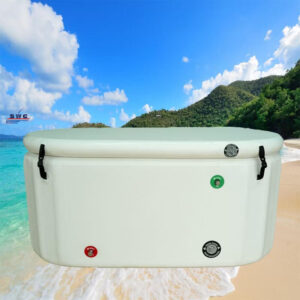
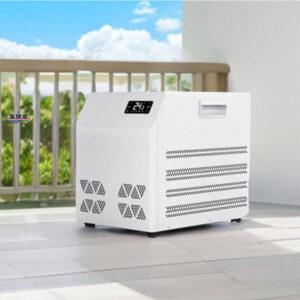
Inquiry us for ice bath water chiller, ice bath tub, which is best ice bath for sore muscles. 1 4 hp water chiller, water chiller for ice bath, portable ice bath with chiller.


