
The weather’s turned cold, making the dreaded cold shower even more challenging. Since reading The Almanack of Naval Ravikant, I’ve been deliberately turning down the water temperature, starting my showers with a shiver. After a satisfying long slow distance run or an all-out interval session, dragging my leaden legs home, I stand before the shower faced with the same dilemma—today, should I blast them with cold water or soak comfortably in hot?
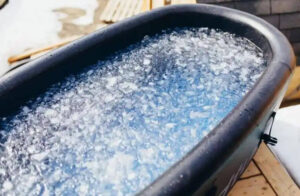
Ice Bath: The Post-Exercise “Emergency Brake”
An ice bath, or cold water immersion, typically for the lower limbs after running, involves soaking in 10-15°C water for 10-15 minutes. Its mechanism can be summed up in one phrase: controlling inflammation. Its core benefits are:
Powerful Anti-inflammatory and Analgesic Effect: High-intensity running causes micro-tears in muscle fibers, a necessary part of muscle growth, but also triggers inflammation leading to swelling and Delayed Onset Muscle Soreness (DOMS). Ice baths rapidly constrict blood vessels, reduce local blood flow, acting like “slamming the brakes” on inflammation, thereby significantly alleviating muscle soreness.
Accelerates “Perceived Recovery”: Studies show that compared to passive recovery, cold water immersion can reduce muscle soreness by up to 20%. This means you feel recovered faster, which is psychologically and physiologically crucial for runners who need to perform again soon or train the next day.
Accelerates “Perceived Recovery”: Studies show that compared to passive recovery, cold water immersion can reduce muscle soreness by up to 20%. This means you feel recovered faster, which is psychologically and physiologically crucial for runners who need to perform again soon or train the next day.
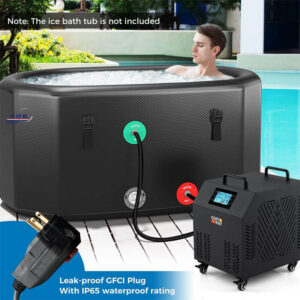
Hot Bath: The “Logistics Chief” During the Repair Phase
In contrast, the hot bath plays a different, vital role: promoting repair.
Its core benefits are:
Promotes Blood Circulation: Hot water causes vasodilation, like opening the gates for a transport convoy, delivering more oxygen and nutrients to fatigued muscles while flushing out metabolic waste. This process aids long-term tissue repair and healing.
Deep Relaxation: A hot soak effectively relaxes tight muscles and stiff joints, reducing the chance of cramps. More importantly, it calms our nervous system, relieves stress, and significantly improves sleep quality—and sleep is the golden time for the body’s repair! However, this “logistics chief” must not show up at the “scene of the fire”! Taking a hot bath immediately after exercise may worsen inflammation and swelling, having the opposite effect.
In a nutshell: The hot bath is your “reconstruction crew,” responsible for delivering nutrients and speeding long-term recovery after the peak inflammation has passed.
Conclusion: They Are Teammates, Not Rivals
They are not opponents at all, but teammates with different roles.
Ice Bath — Reduces inflammation, relieves pain, lessens soreness. Suitable immediately (within 1 hour) after high-intensity/high-volume training.
Hot Bath — Promotes circulation, induces relaxation, aids healing. Suitable 24-48 hours post-exercise, or for routine relaxation.
Ice Bath Practical Guide for Beginners
Don’t Go Too Hard Too Fast: Don’t jump straight into the deep end. Start with around 15°C water for 2-3 minutes, or use cold water on your lower limbs for a few minutes to let your body adapt gradually.
Longer Isn’t Better: 10-15 minutes is sufficient. Excessive time may cause undue stress or even frostbite.
Final Thoughts
There’s no one-size-fits-all “silver bullet” for post-run recovery. Whether you choose the “tempering” of an ice bath or the “nourishment” of a hot bath, the ultimate goal is the same: to help us return stronger for the next run.
May every runner find wisdom in the interplay of ice and fire, and run farther, free from injury.
More article for ice bath for muscle soreness.
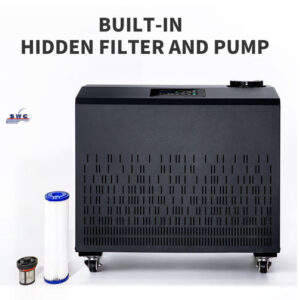
Inquiry our ice bath water chiller, 1 2 hp chiller for ice bath. recovery chiller for ice bath;


